Step into the AR Experience
Use augmented reality to visualize infrastructure, assets, and spaces at true scale for operations, navigation, planning, and training.
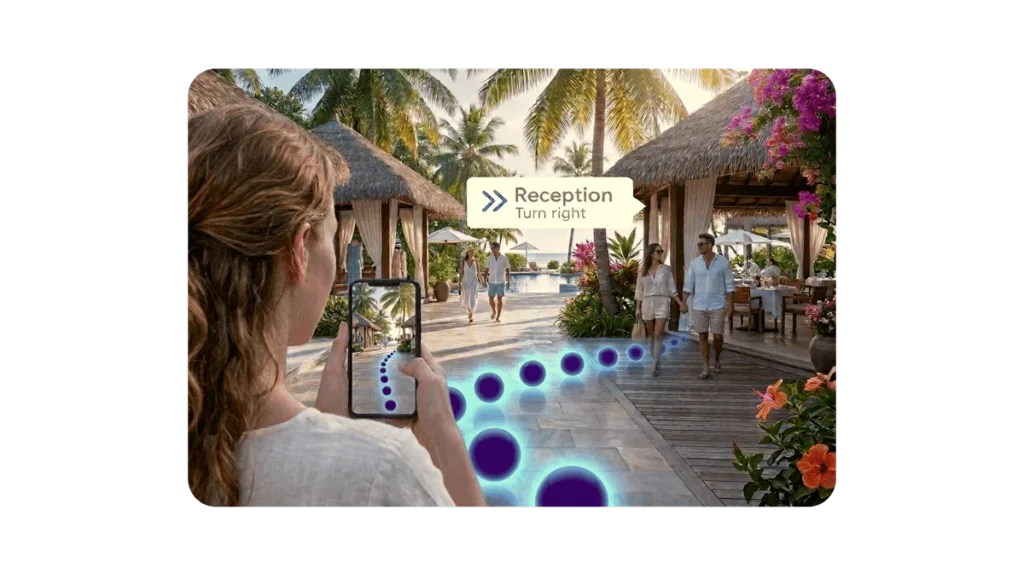
Navigation Solutions
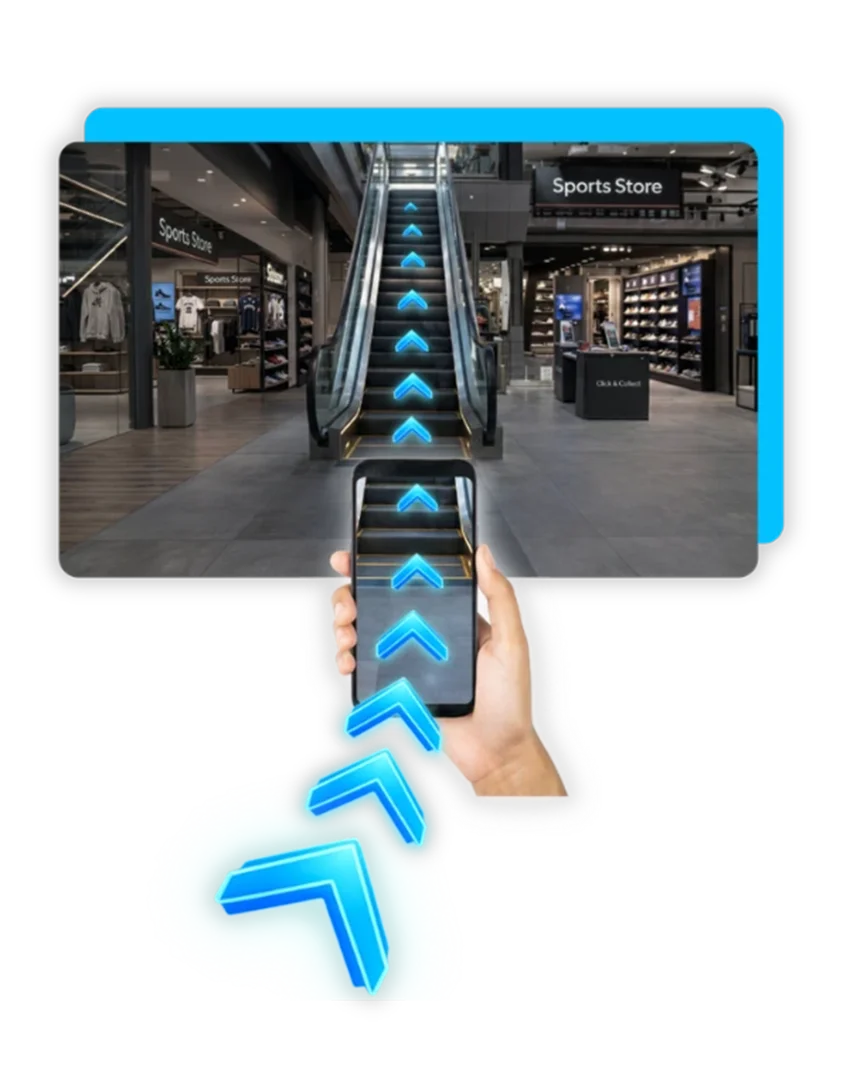
AR navigation app overlays digital directions and interactive guidance directly onto the physical environment. This makes it easier for visitors to find locations, move through complex spaces and experience a smoother, efficient visit.
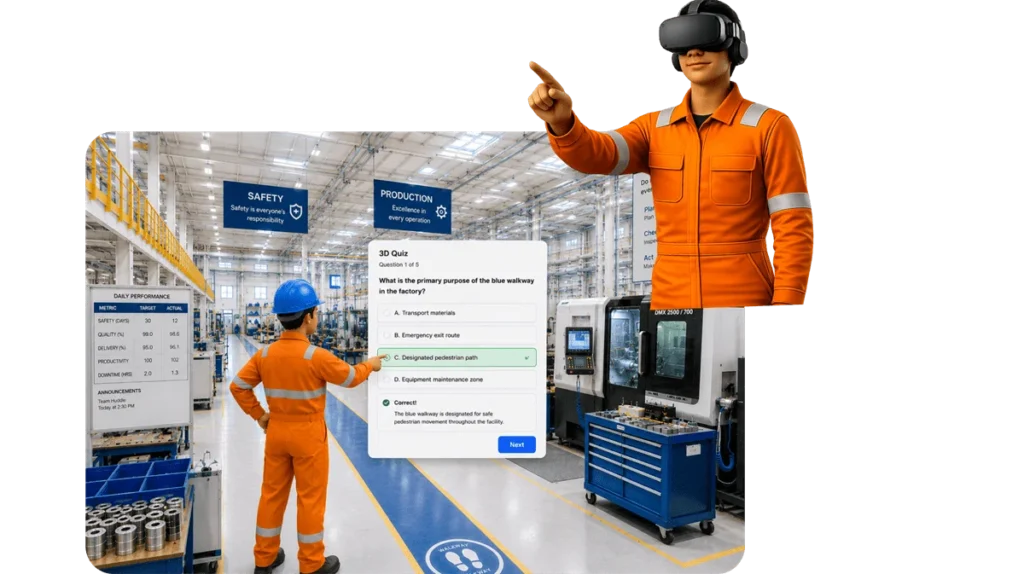
Enhanced Experiences and Training
AR enhances training by overlaying step by step visual guidance and interactive instructions onto real environments. This helps learners understand processes and reduce errors during hands on practices.
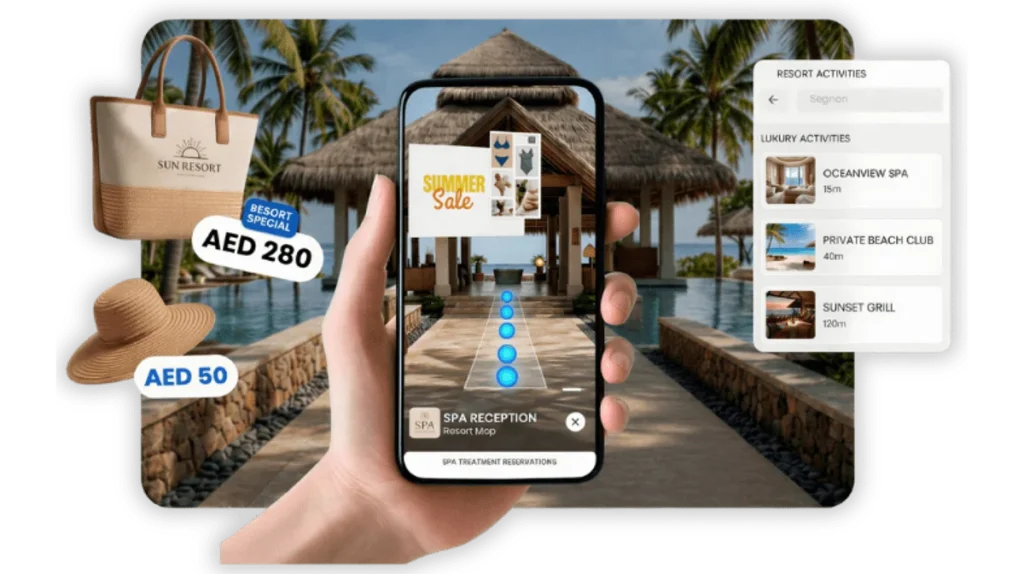
Interactive 3D & AR Experiences
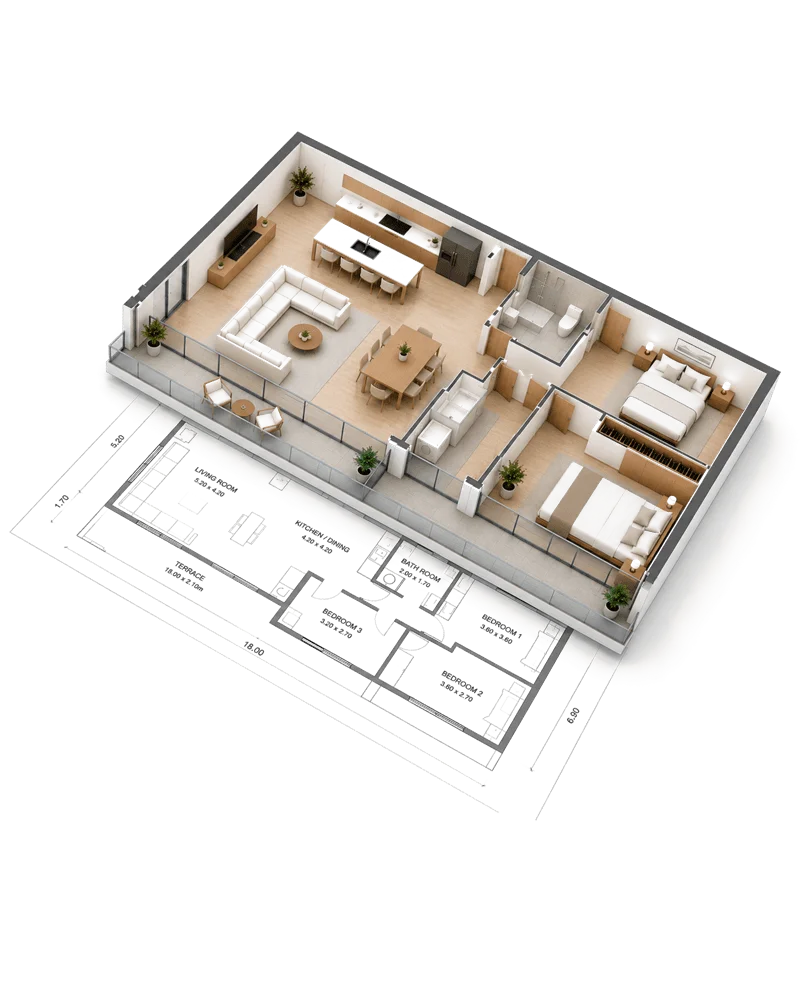
Place interactive 3D promotional content inside the digital twin and bring it into the real world using augmented reality app. This creates engaging, gamified experiences.
Real-time Data Visualization
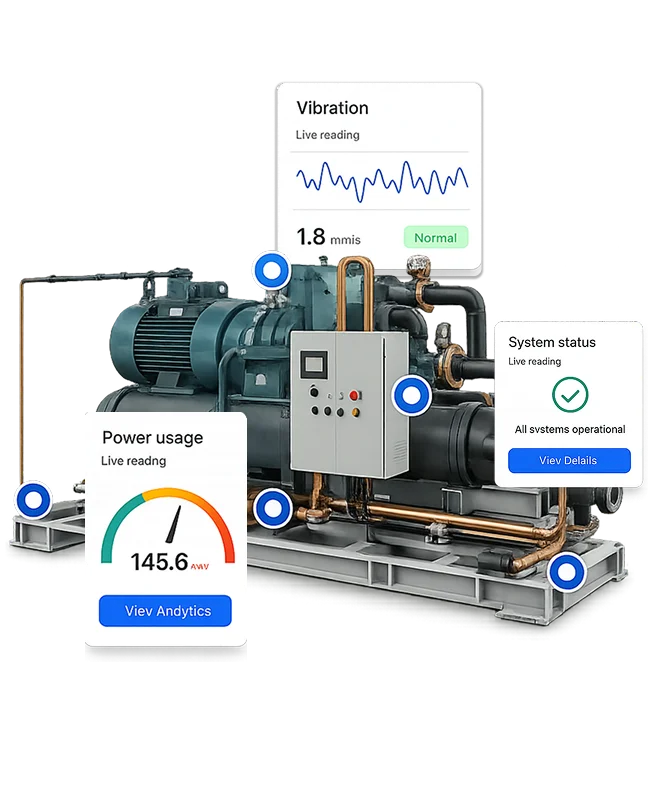
When real time data is integrated to the digital twin, AR displays it as visual overlays in the real environment, helping teams understand on site conditions and make faster decisions.

FAQs
Augmented Reality adds digital elements like 3D models, directions, and information on top of the real world through your phone, tablet, or AR glasses. It helps people understand and interact with physical spaces in a smarter and more visual way.
AR indoor navigation shows visual directions inside buildings using arrows and overlays on a mobile screen. It helps visitors easily find rooms, stores, clinics, or facilities in places like malls, hospitals, airports, and campuses.
Yes. AR makes training more interactive and practical. Staff can follow step by step visual instructions, practice procedures, and learn faster while reducing mistakes and improving confidence.
AR is used across many industries, including:
- Real Estate & Property Marketing
- Retail & Shopping Centers
- Hotels & Hospitality
- Hospitals & Healthcare
- Universities & Campuses
- Industrial & Field Operations
- Museums & Visitor Attractions
Most AR experiences work directly on smartphones and tablets, making them easy to access. For advanced use cases, AR can also run on AR glasses or headsets.
Yes. AR can display live information such as equipment status, performance metrics, or environmental data directly within the physical space. This helps teams make faster and more informed decisions on site.
In digital twins, Augmented Reality lets users see digital information, 3D models, or guidance overlaid on top of a real physical space. This is useful when people are on site and need directions, data, or visual instructions while still seeing the real environment.
Virtual Reality lets users explore the digital twin in a fully virtual space. It is often used for remote walkthroughs, design reviews, and immersive simulations where users do not need to be physically present.
In simple terms, AR brings the digital twin into the real world, while VR takes you inside the digital twin.