Unlocking Valor International’s Workforce Revolution
Digital Twin & Connected Workers Solution for Industry 4.0 Operations
Overview
This case study explores how Valor International Holding adopted a digital twin solution to transform the way its workforce manages, maintains, and troubleshoots critical equipment. By creating a virtual replica of its physical operations, Valor gained real-time visibility, improved diagnostics, and reduced downtime—while lowering costs and improving service delivery. The project demonstrates how Industry 4.0 technologies can modernize traditional industrial environments and support more sustainable operations.
The Challenge
Operating complex industrial facilities requires continuous investment in maintenance, security, technology, and workforce management. Valor faced two major challenges that directly affected efficiency and costs:
- Slow diagnostics and extended downtime when complex equipment failed.
- Risk of losing experienced technicians, combined with long training cycles for new staff.
To address these issues, Valor set three clear goals:
- Speed up training and onboarding for new employees
- Improve how equipment issues are documented and resolved
- Reduce operational and maintenance costs linked to troubleshooting and downtime
The Approach
As a forward-thinking company in the maritime and industrial sector, Valor recognised the need to adopt Industry 4.0 capabilities to remain agile. They selected Limina Studios’ Connected Workers solution to support both on-site and remote teams.
Limina Studios combined digital twin technology, AR/VR tools, and IoT-enabled workflows to simplify problem-solving and knowledge sharing. By involving experienced technicians and integrating real-time data, the solution was designed to preserve expertise, enable remote access to critical information, and improve communication across teams.
The Solution
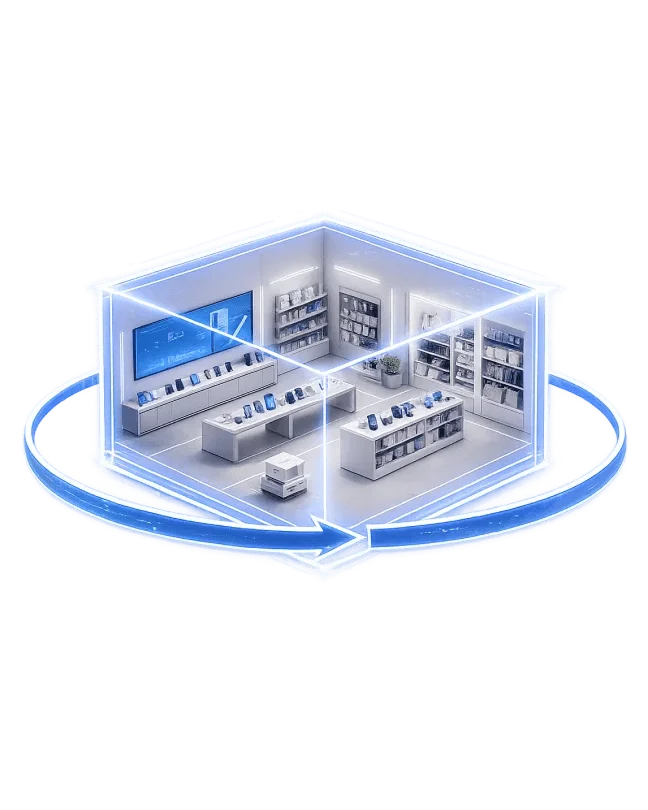
Limina Studios digitally scanned Valor’s oil farm facilities in Hamriyah and Fujairah, creating a comprehensive digital twin that reflected the full complexity of the sites.
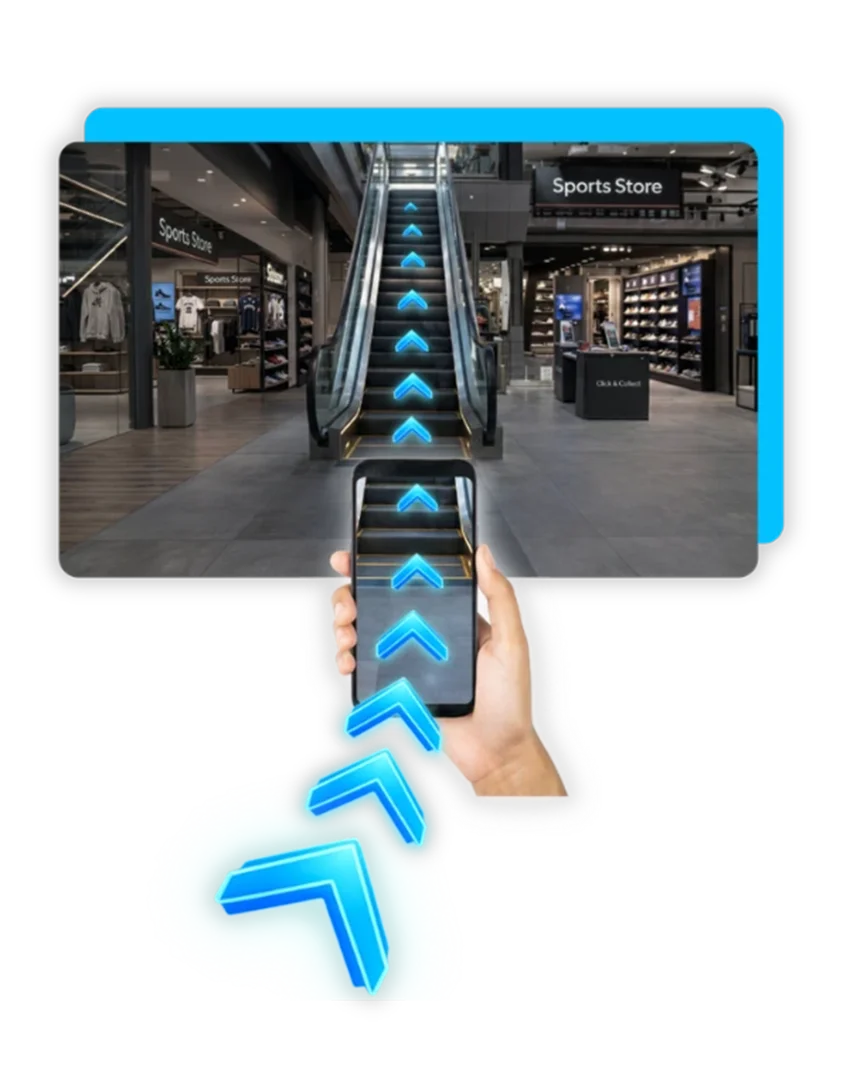
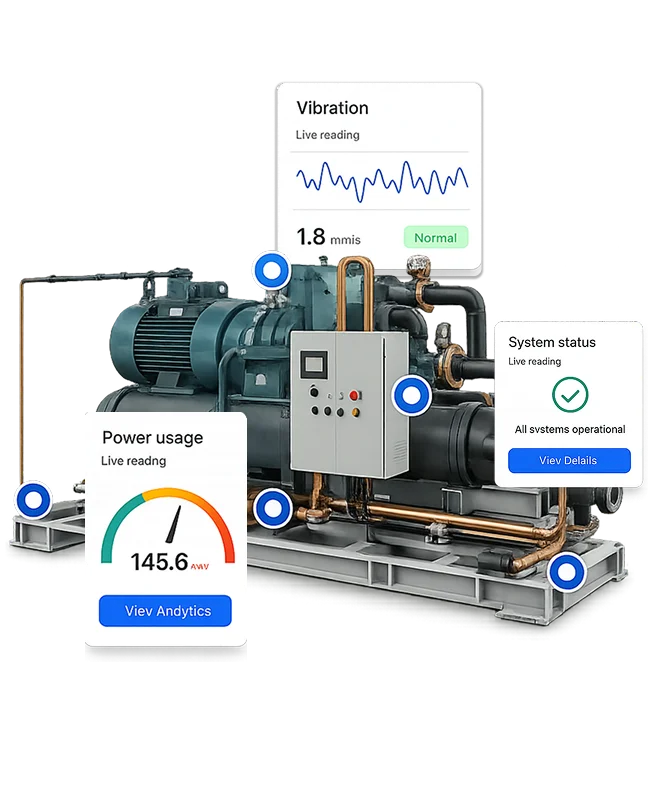
An intuitive application with AR and VR capabilities was developed, allowing workers—both on-site and remote—to access equipment data, visual guidance, and troubleshooting workflows. Limina’s Threads feature enabled location-based discussions directly within the digital twin, making it easier to report issues, collaborate in real time, and keep communication tied to the physical environment.
The Results
- The impact of the digital twin and connected workers solution was measurable and immediate.
- Faster troubleshooting: Experienced technicians reduced troubleshooting time from 30 minutes to 15 minutes—a 50% improvement.
- Dramatic gains for new workers: New employees reduced troubleshooting time from 90 minutes to just 14 minutes—an 84% improvement.
- Improved workforce performance: The gap between experienced and new workers was significantly reduced, improving overall productivity and operational resilience.
- This transformation highlighted not only the value of skilled workers, but also how digital tools can preserve expertise, accelerate training, and reshape industrial operations.